01
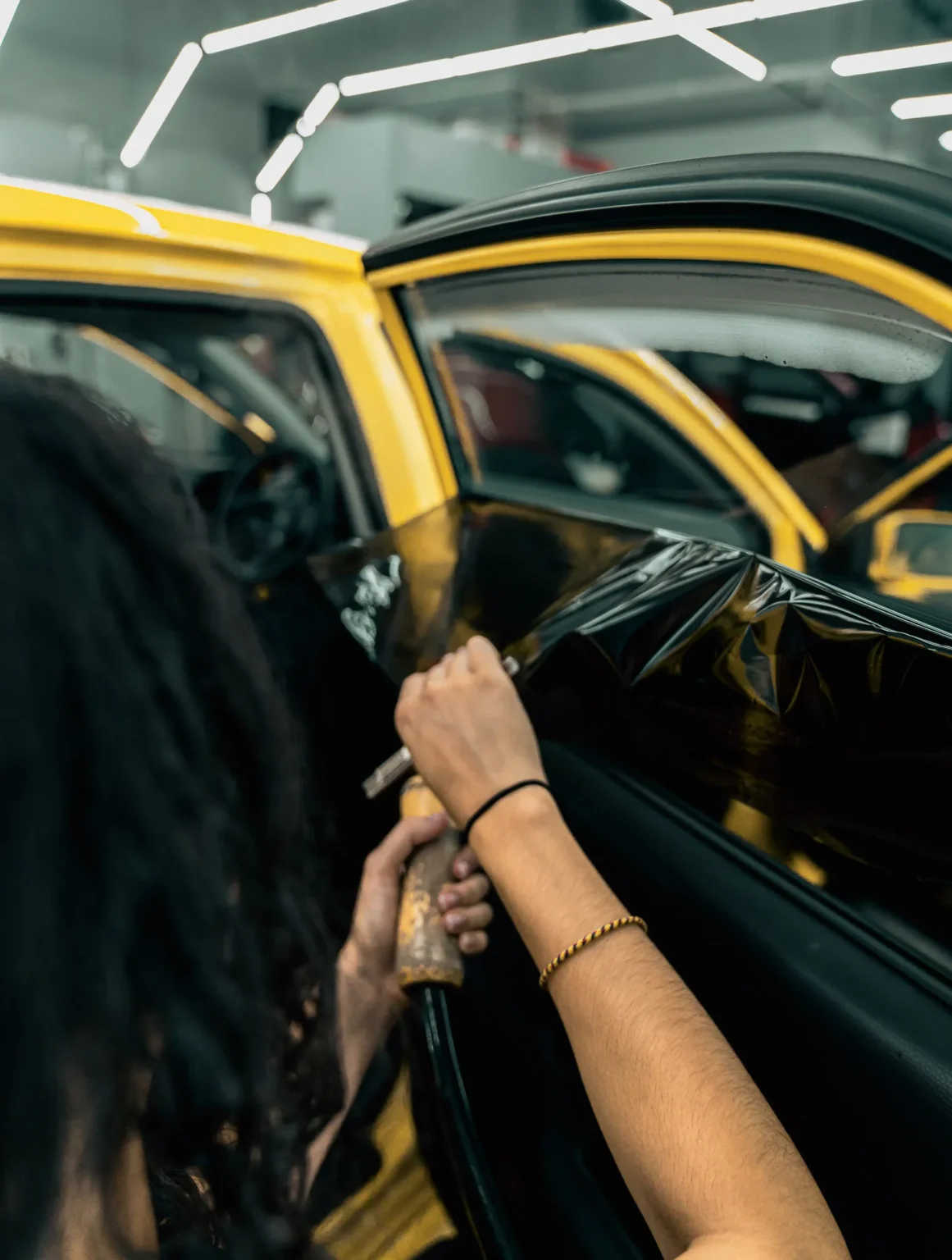
Old film off, glass prepped
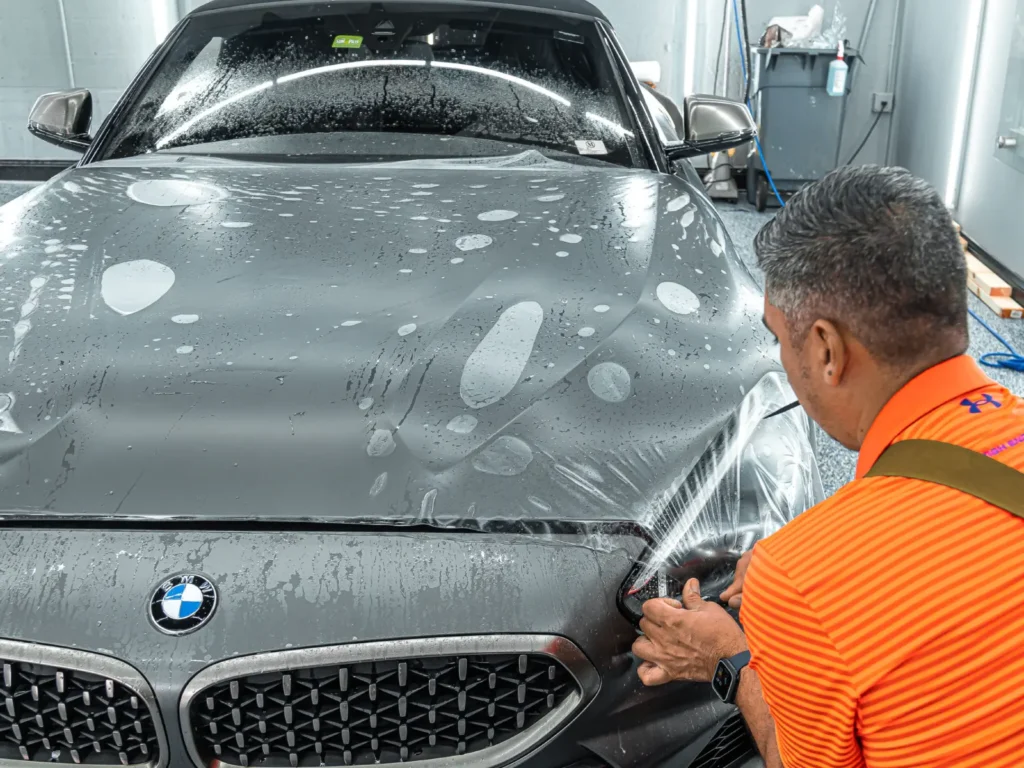
If the car has old film, it is peeled off and the adhesive removed. Then the glass is cleaned so nothing sits under the new film.
FormulaOne™ Auto Tint by LLumar™
Precision-installed ceramic window film engineered for heat rejection, UV protection and a cleaner, more private cabin.
 Kendall, Miami
 FormulaOne™ Auto Tint by LLumar™
Why ceramic film
Darker isn't automatically cooler. At the same shade, ceramic film rejects more of the sun's energy than dyed film, so you pick the look you want and still cut the heat.
Good · Better · Premium · Best
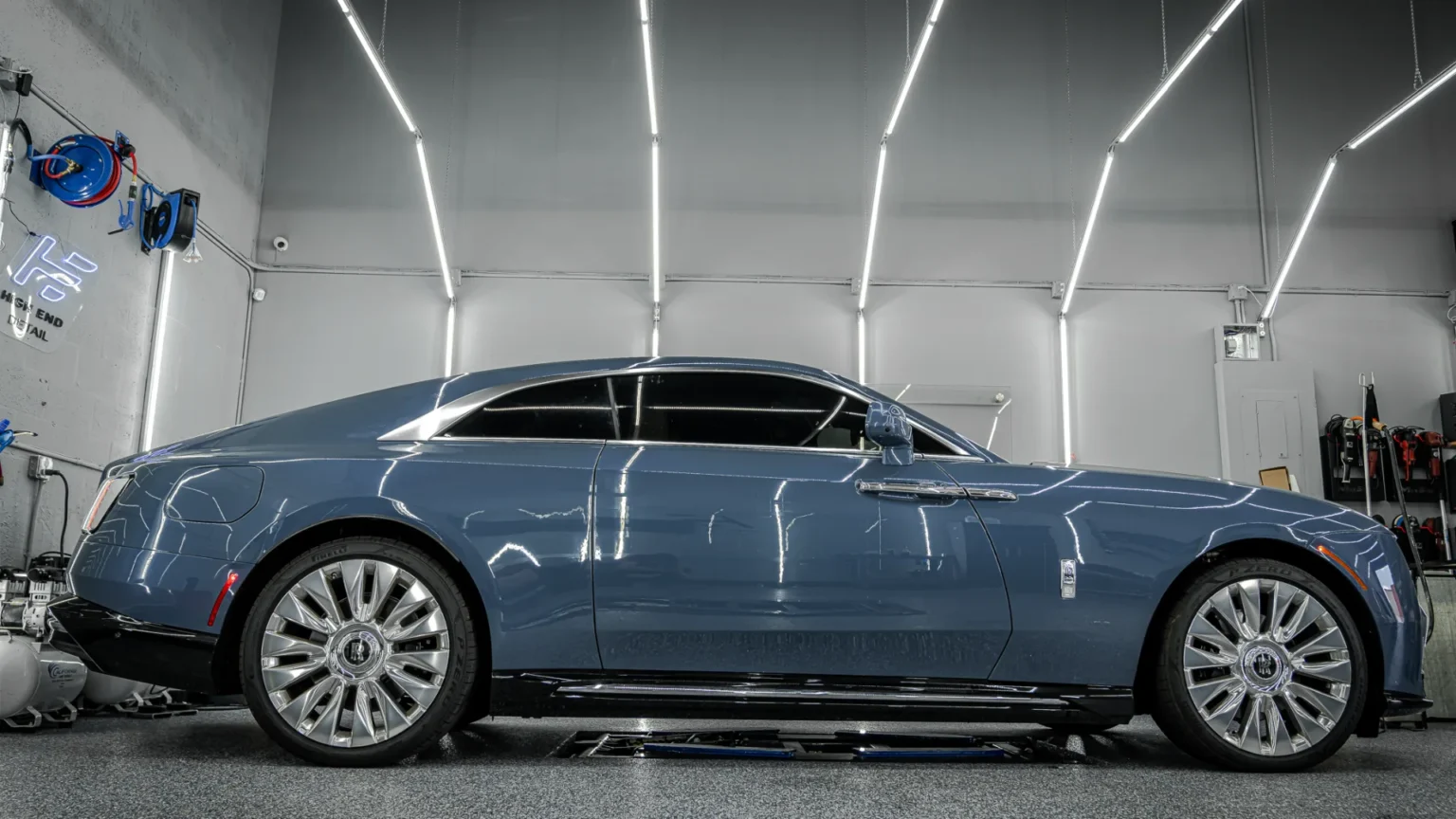
Ceramic window tint installed in Kendall, Miami. Choose the film for how much heat you want it to stop, then choose the shade for how it looks. They are two separate decisions.
Good
Dyed film
Dyed film. Chosen for look, privacy and glare control. It rejects the least heat of the four, so pick it for style over comfort.
Performance figures are based on LLumar's published specifications for the 35 shade. Actual results vary by film, glass and installation. Florida tint limits apply to the combined glass-and-film light transmission.
Figures are LLumar's published performance data for each film's 35 shade, measured on single-pane 6 mm clear glass to NFRC guidelines (FormulaOne sheet LLSP0037NA, 03/26; CTX and AIR 80 sheet LL0116NAEN, 03/26). The sheets list UV rejection as greater than 99%. Shade 35 is the product name; the film's own light transmission on the sheet is 37 to 39%, measured on clear glass. On your car the film goes over tinted factory glass, so the light that gets through is lower, and Florida's limits apply to that glass-and-film total. Real results vary with your glass and the shade you choose. Total solar energy rejected is the overall heat number; infrared rejection is one part of it. All four block over 99% of UV (300–380 nm). AIR80, a nearly clear film (77% light transmission and 43% total solar energy rejected on the LLumar sheet), is also available. Pricing depends on your vehicle, the film, which windows you tint and any old-film removal.
Shade
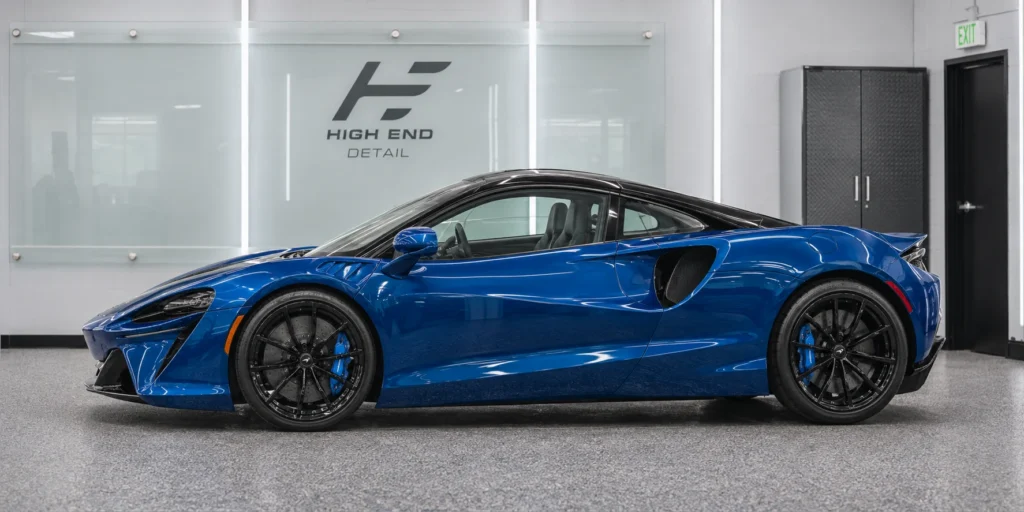
Tap a number to preview that shade on this car's glass. The number is how much visible light the glass lets through, so a lower number is darker. The car is real; the darkening is a preview, not a separate photo of each shade.
Visible light through the glass
As photographed. Nearly clear, a good fit when you want heat and UV control without changing the look.
Shade controls appearance. Film controls performance.
Florida tint law, in plain English
Florida measures light through the film and the factory glass together. We account for your glass and won't install a shade that falls below the limit.
Fla. Stat. 316.2951, 316.2952, 316.2953, 316.2954 and 316.29545.
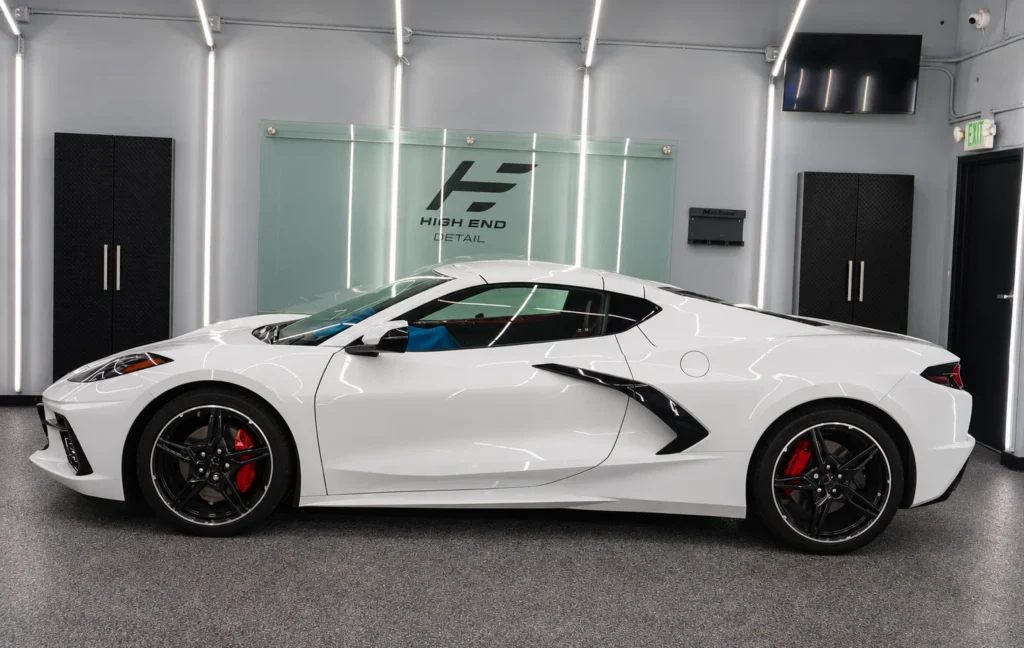
Same car, same day
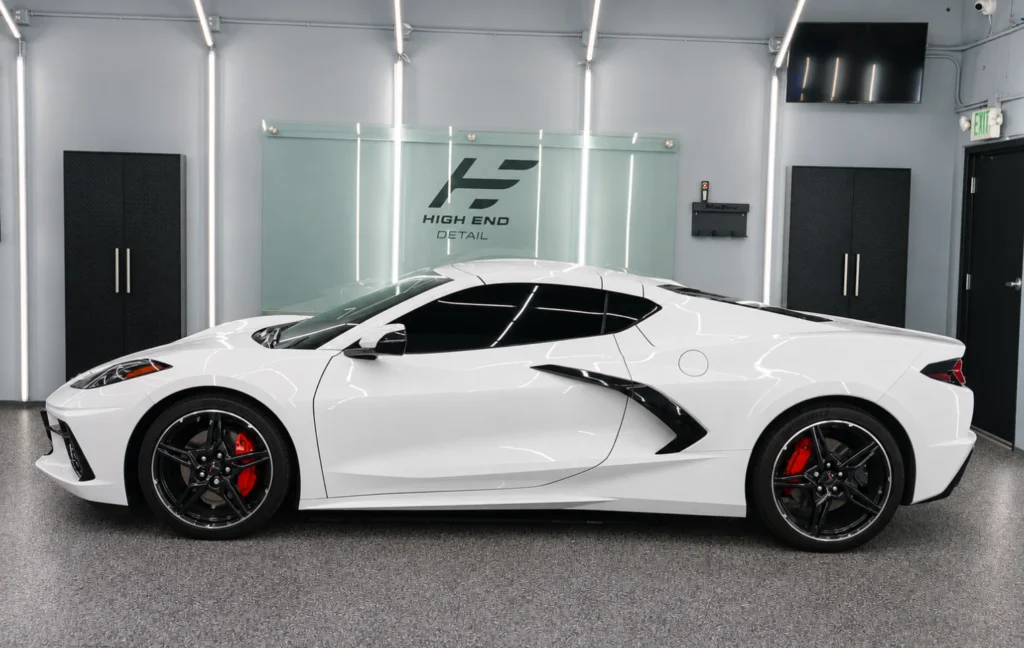 BeforeAfter
What the film does
of UV (300–380 nm) blocked by all four films, per LLumar's data. For your skin, and for the dash, seats and trim.
Ceramic grades reject more solar energy than dyed film at the same shade, and every shade cuts glare.
CTX, Pinnacle and Stratos have no metal layer. Phones, GPS and keyless entry work normally.
The hard coat takes everyday wear from windows going up and down.
What to expect
Five steps on every car. Most of the work happens where you can't see it: getting the glass clean and the film shaped before it goes on.
If the car has old film, it is peeled off and the adhesive removed. Then the glass is cleaned so nothing sits under the new film.
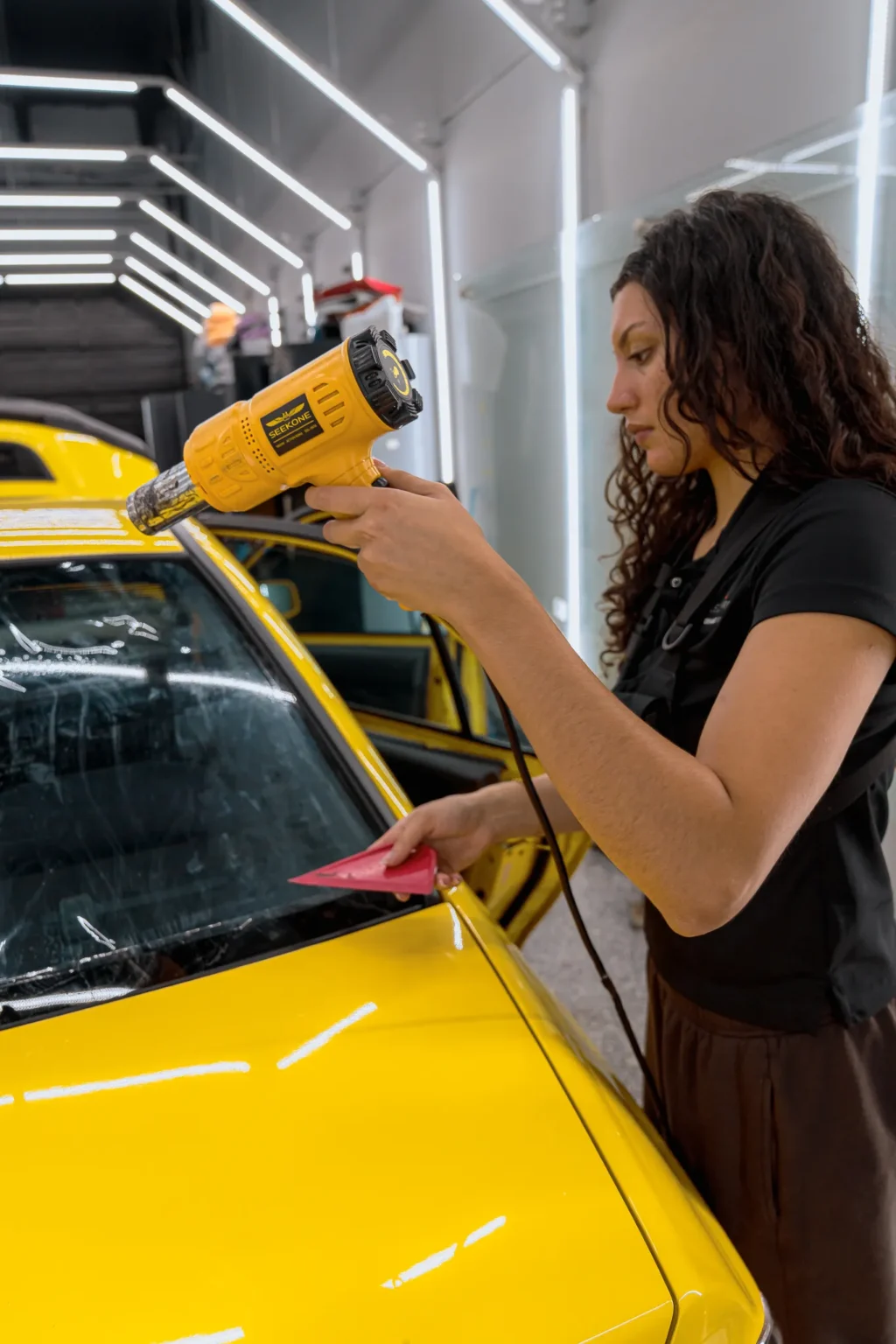
Film is laid on the outside of the glass and cut to that exact window. Curved glass is then heat-formed so the film lies flat without fingers or creases.
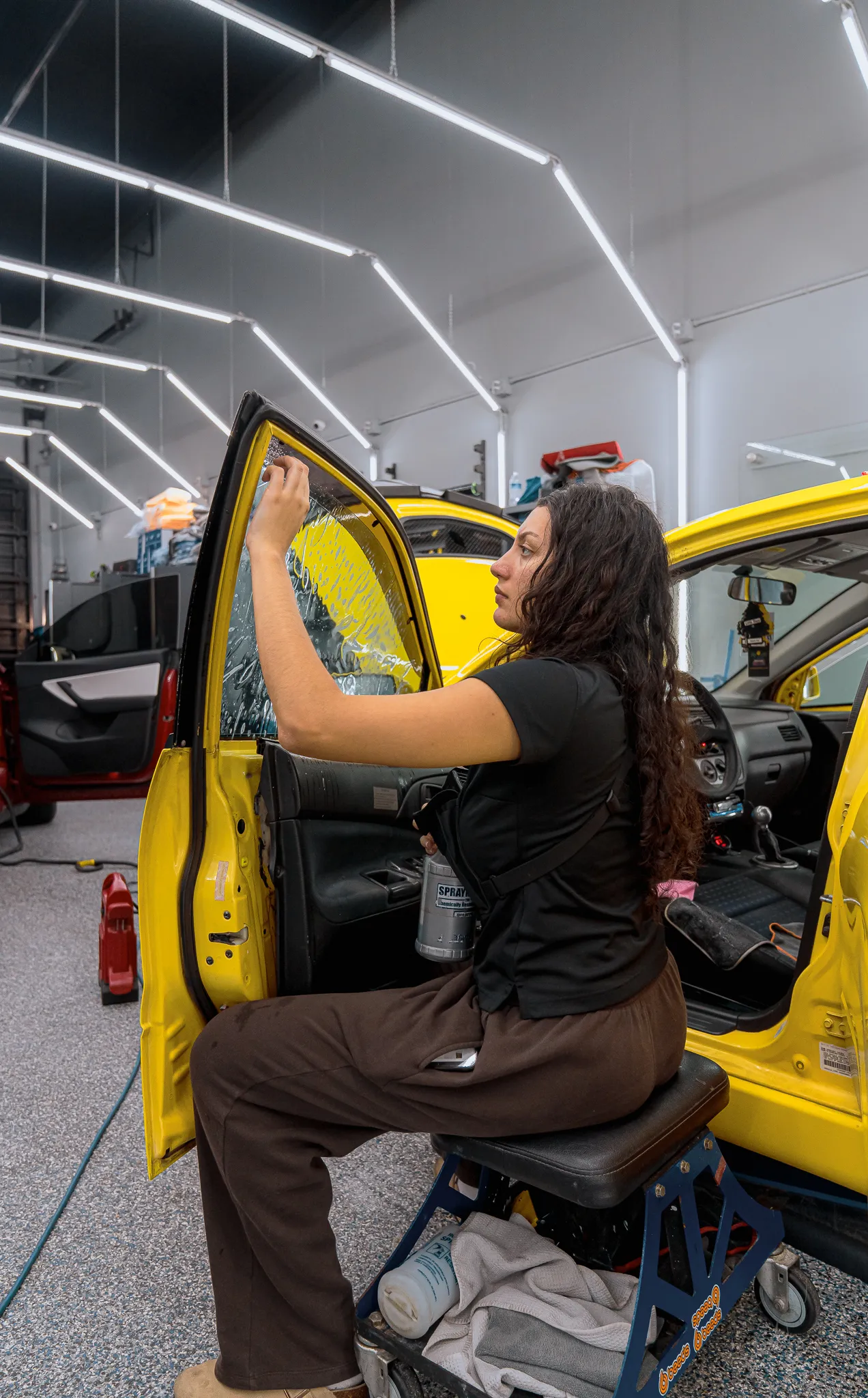
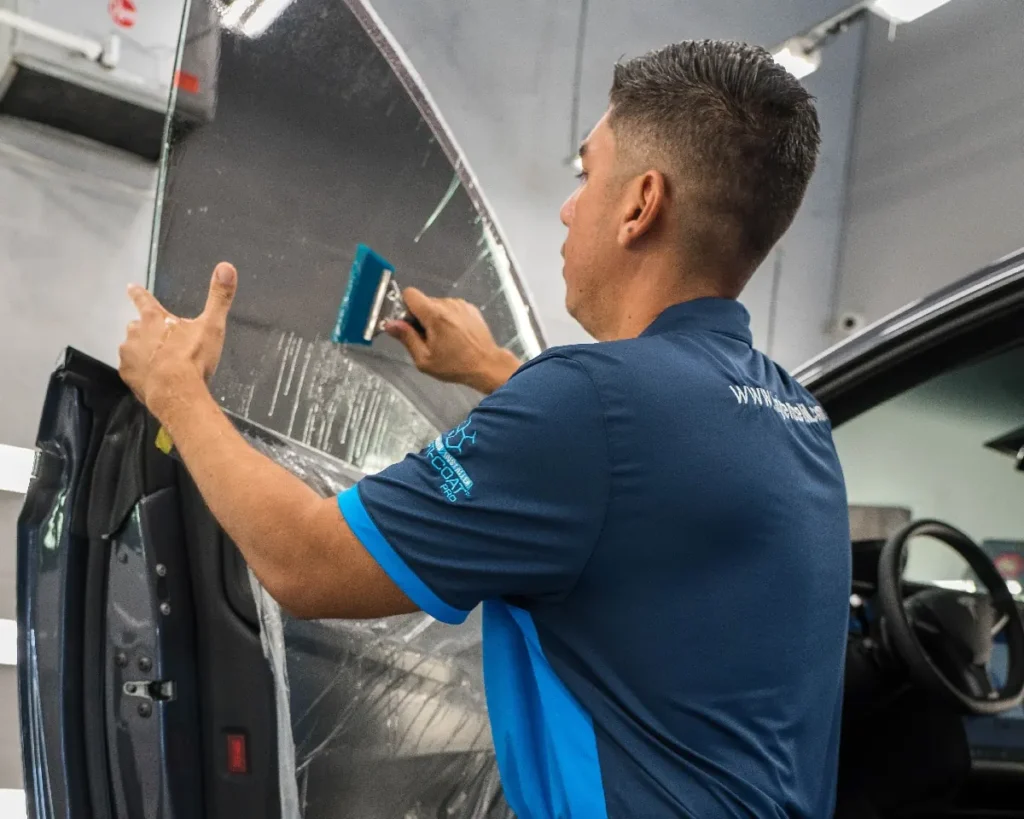
The shaped film goes on the inside of the glass, where it stays, and is squeegeed into place.
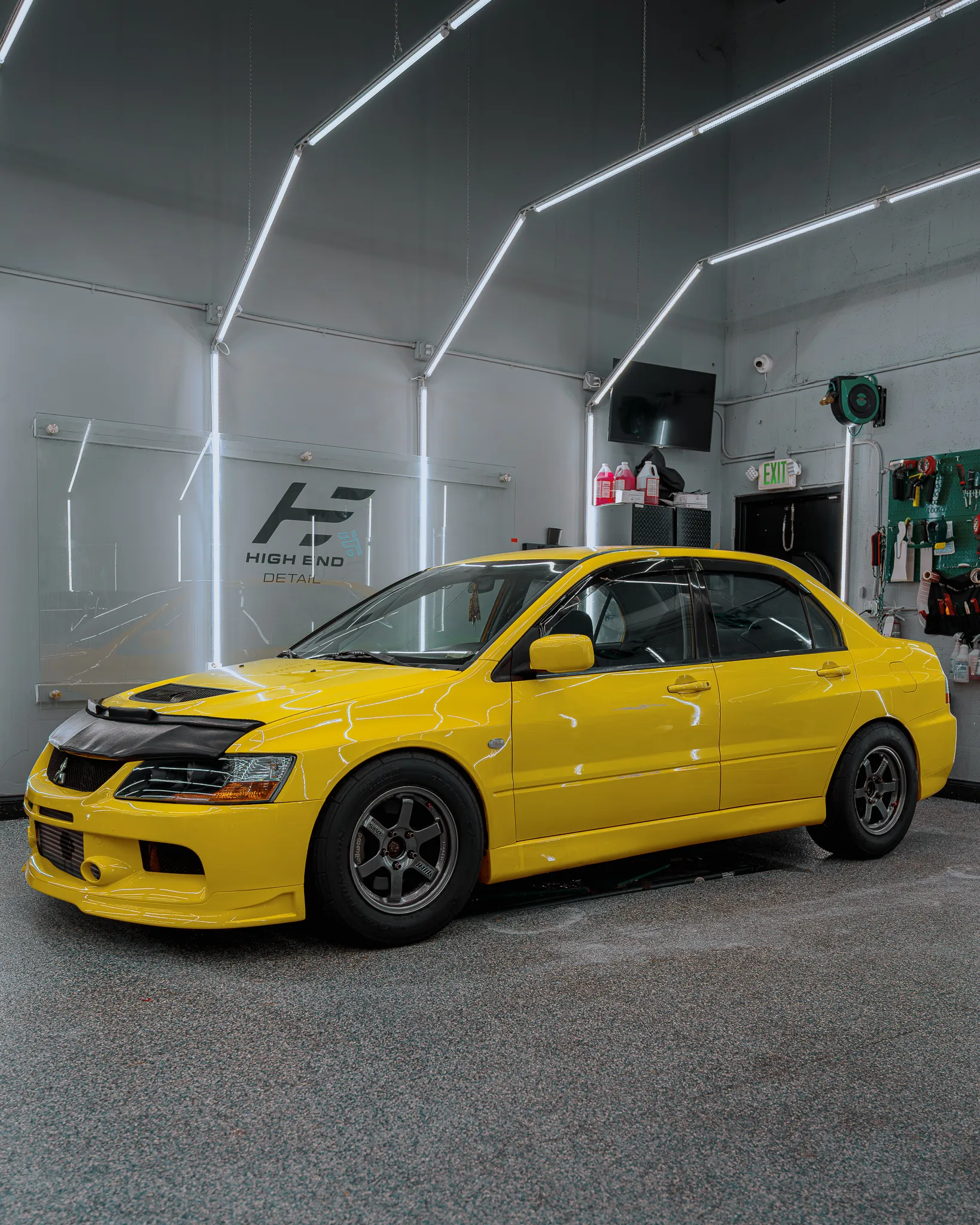
Edges, corners and the dotted border are checked under the studio lights before you see the car.
At pickup we go over curing and care: keep the windows up for a few days, and expect slight haze or small water pockets to clear on their own.
Ready?
Book your tint appointment.
Send your make, model and year. We'll come back with options and pricing.
See the work
Our own installs, filmed in the studio. No stock footage, no borrowed cars.
Recent tint work
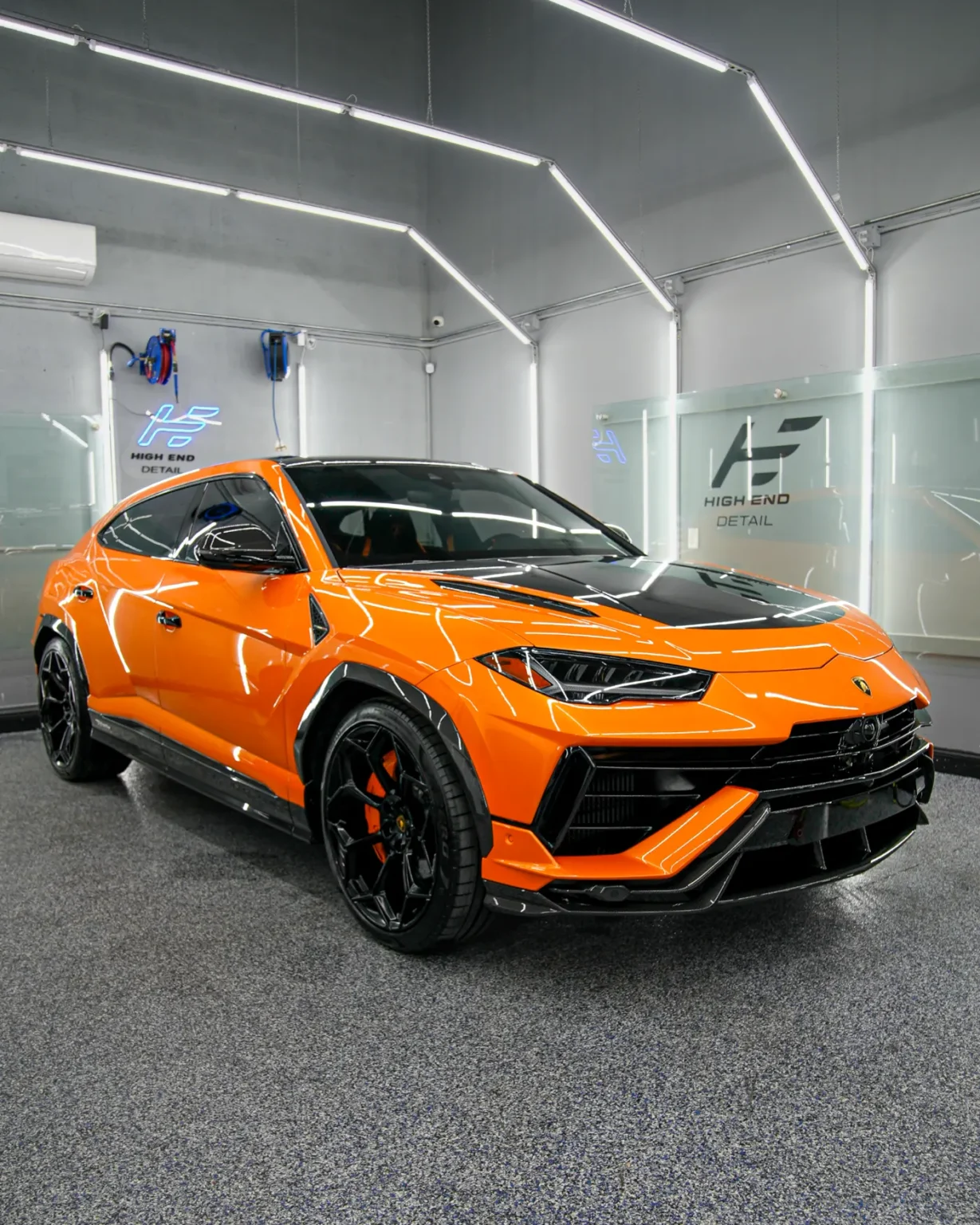
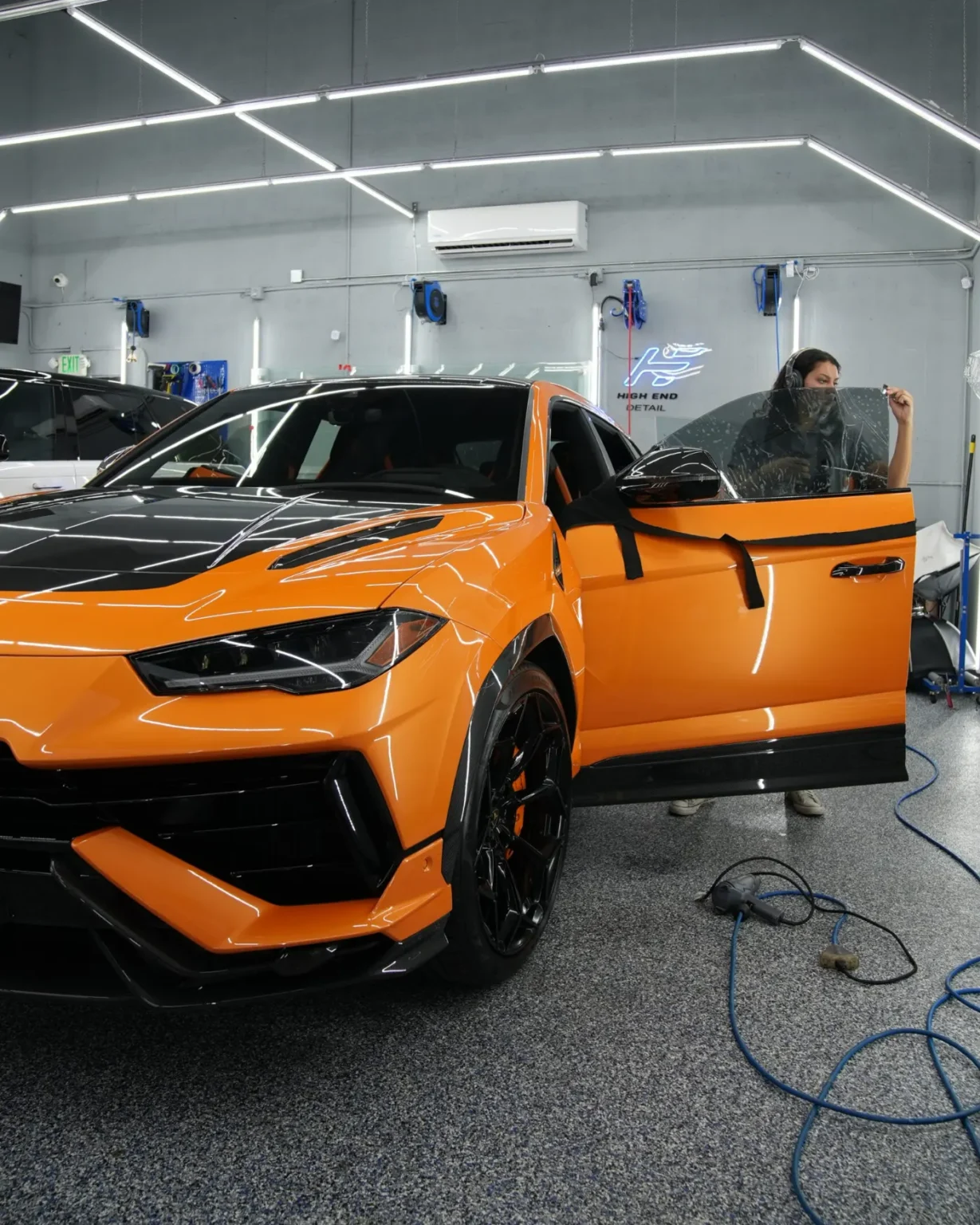 Lamborghini Urus · fitting the door glass
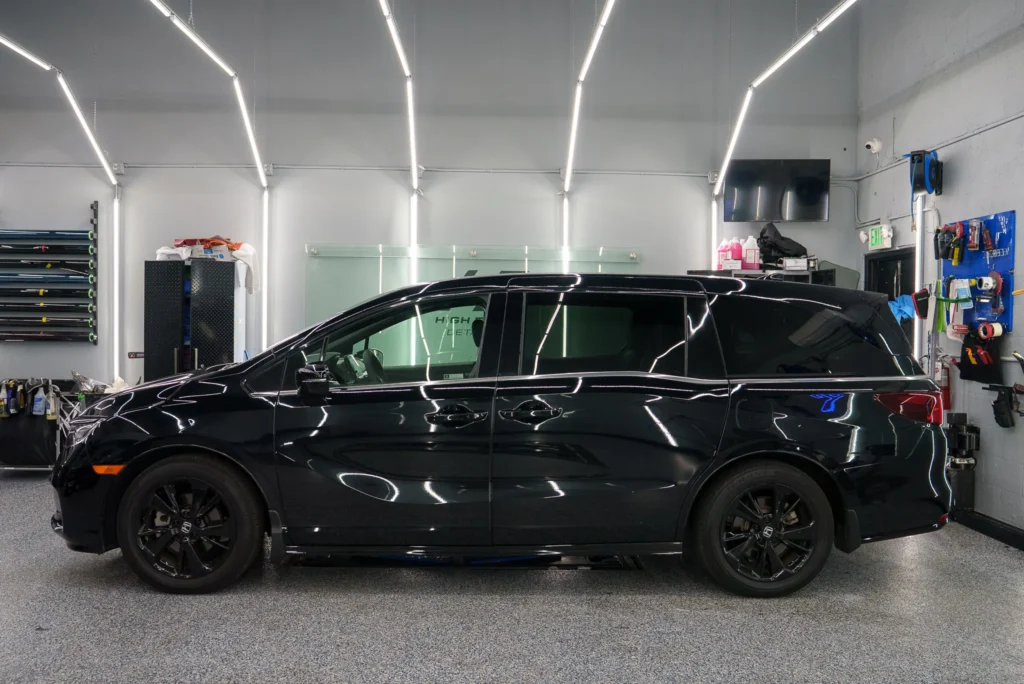 Honda Odyssey · Stratos 15
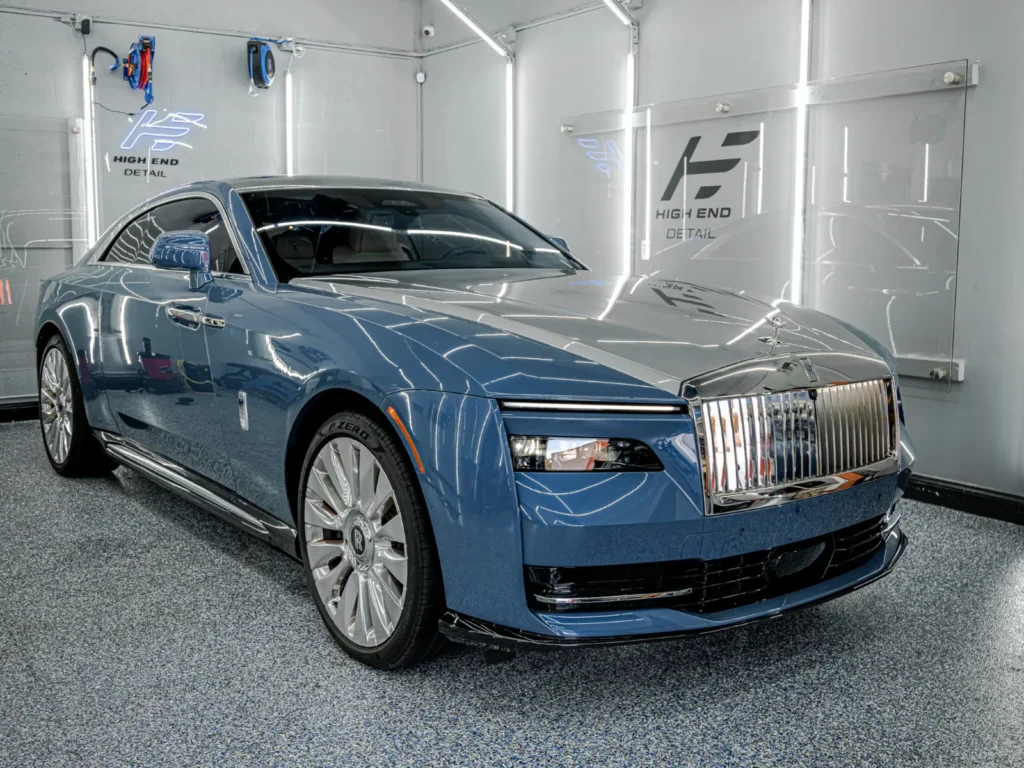
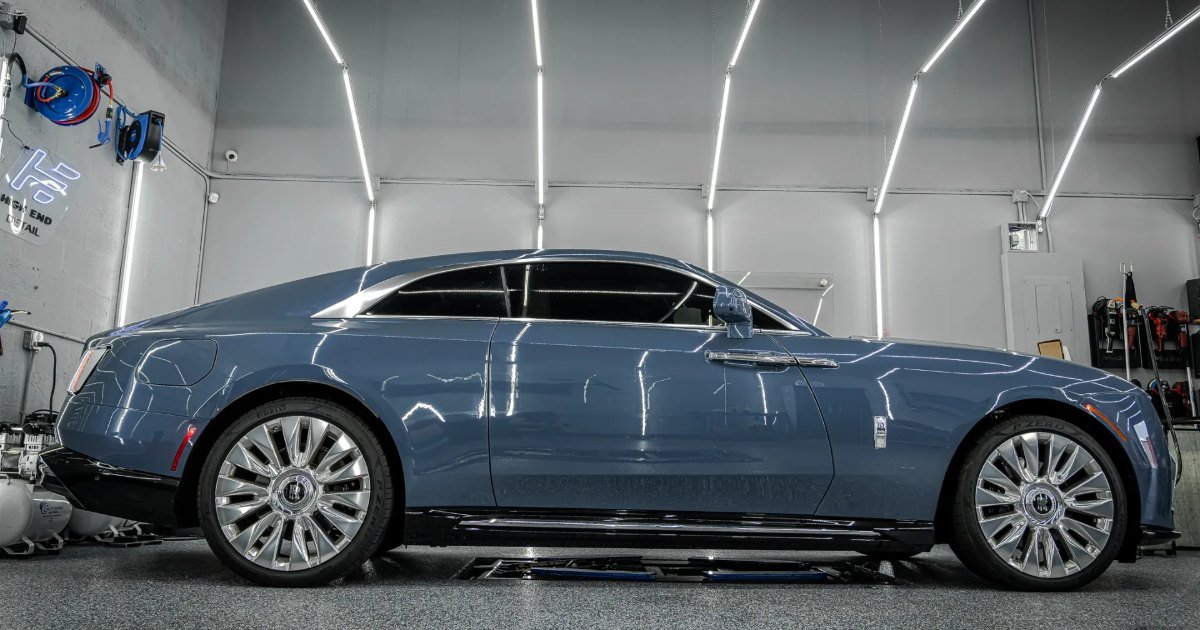
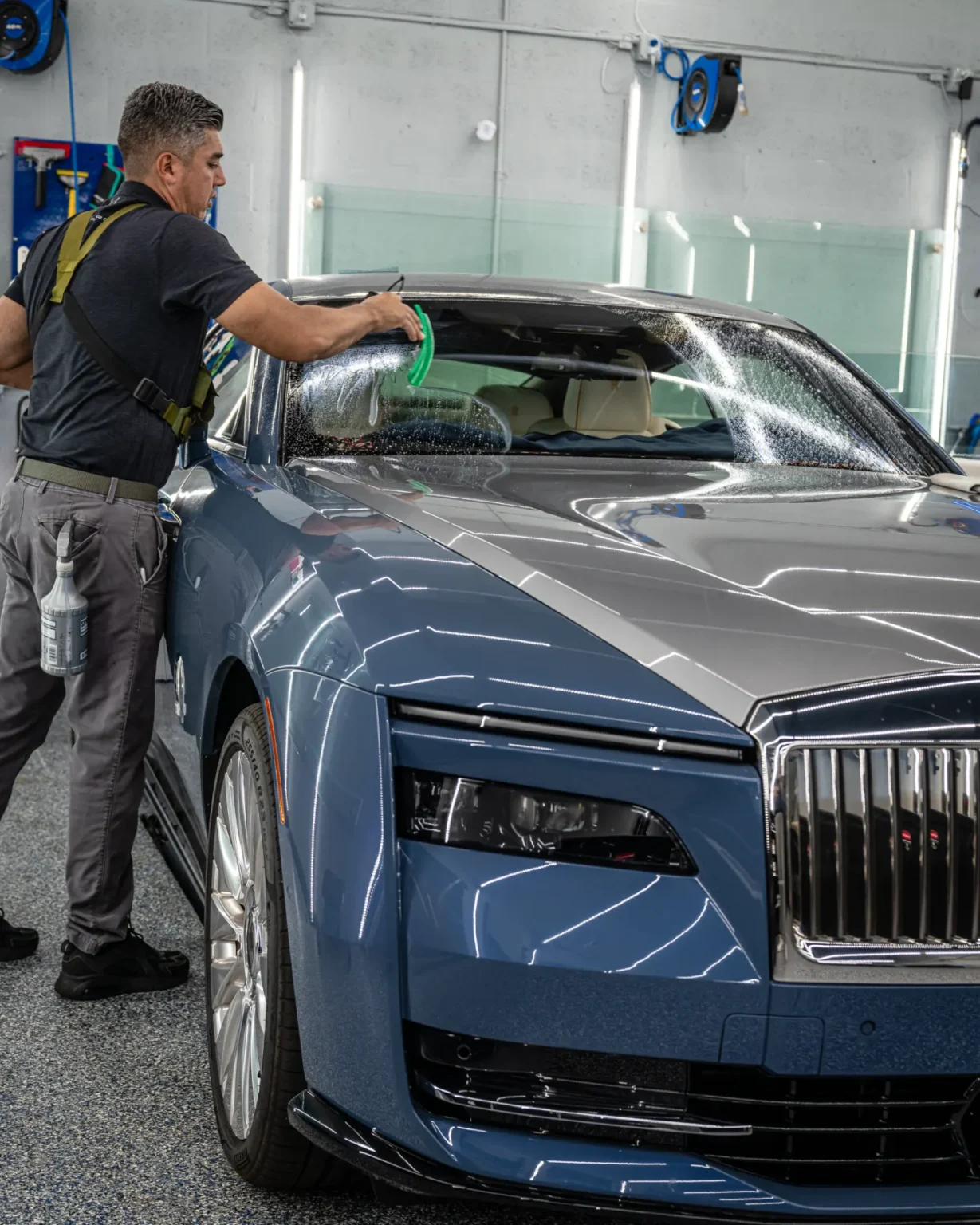 Rolls-Royce Spectre · windshield
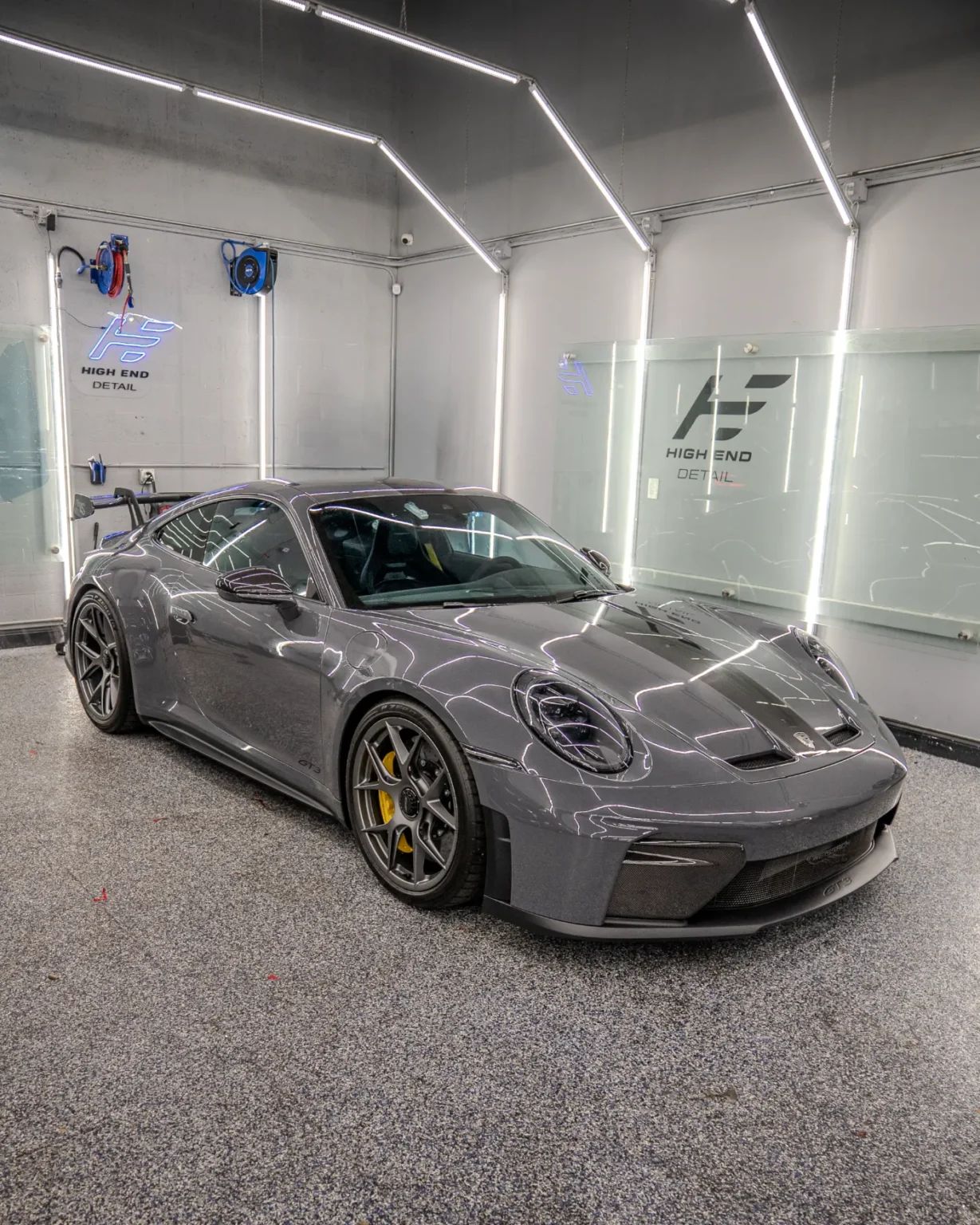 Porsche 911 GT3
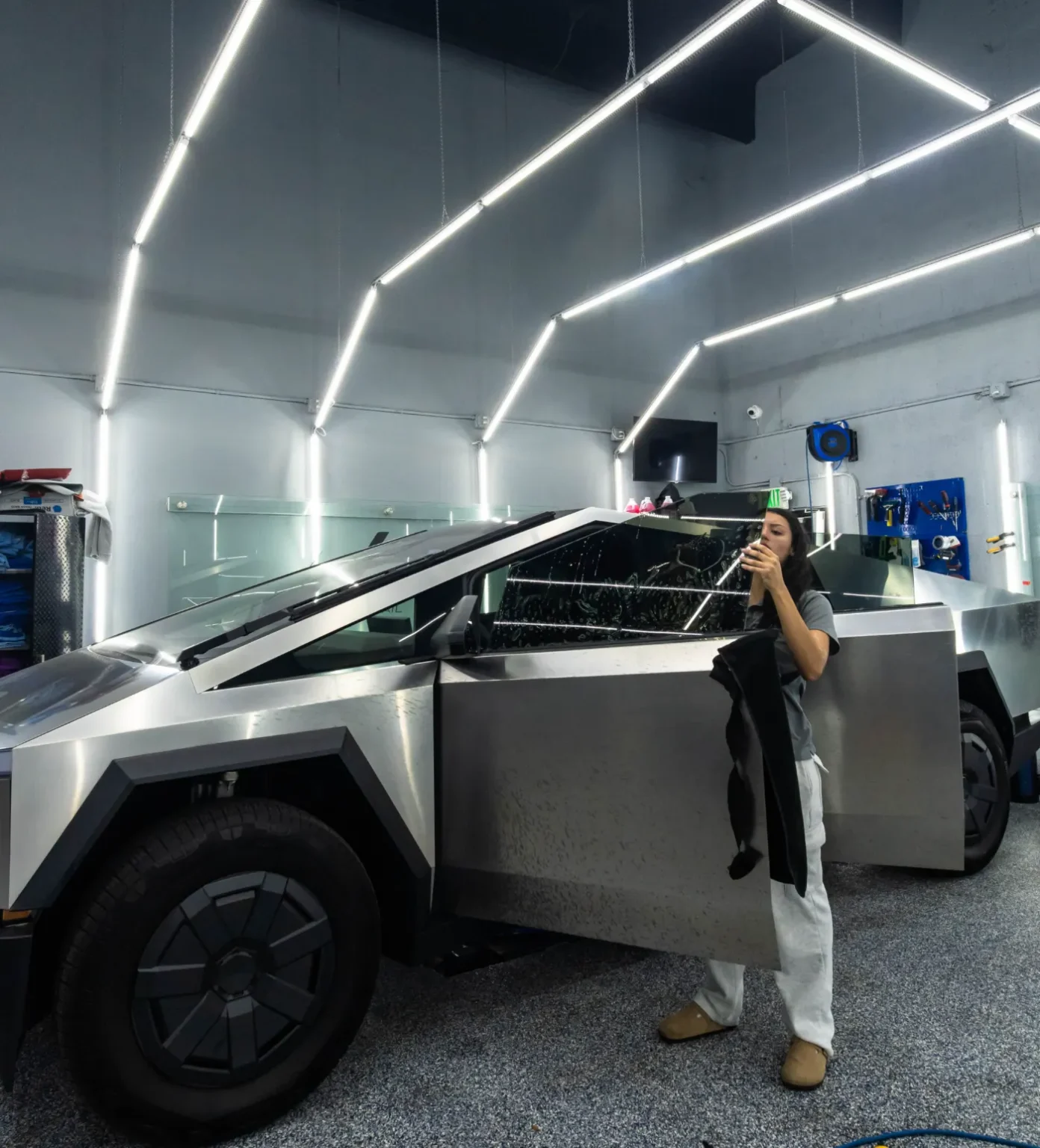
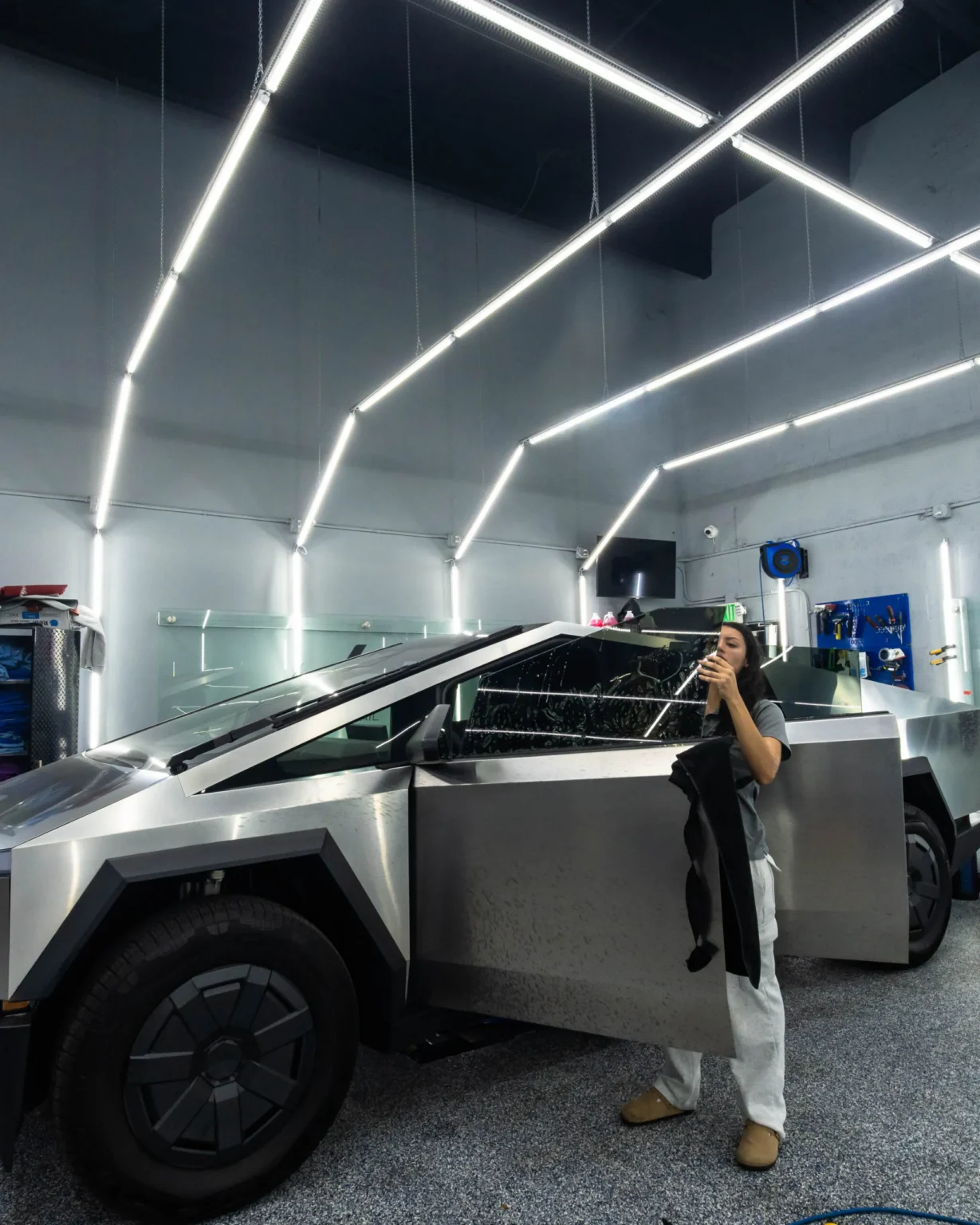 Tesla Cybertruck
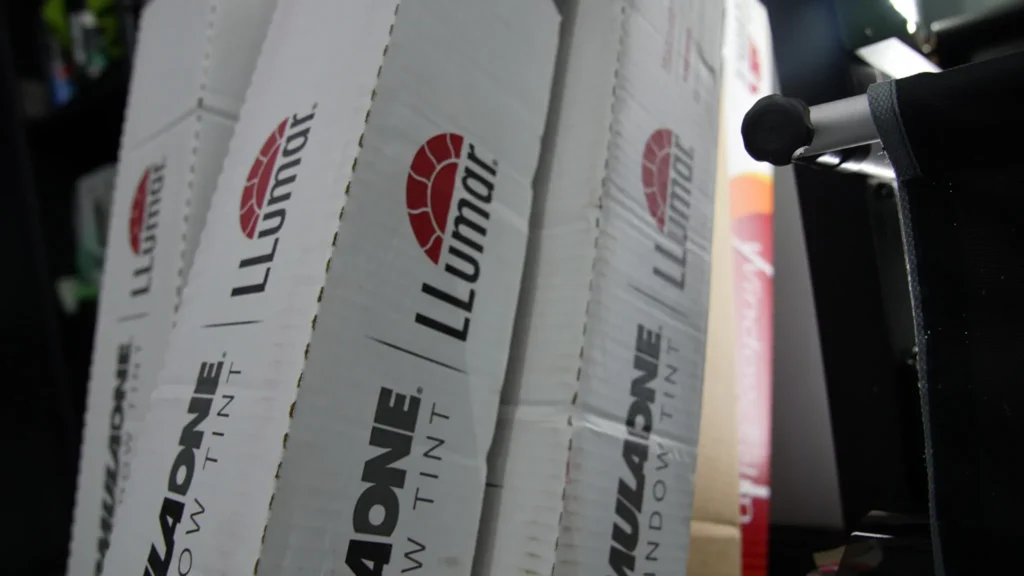 LLumar FormulaOne · the film we install
The honest part
Warranty
LifetimeLimited warranty, by film. FormulaOne Classic, Pinnacle and Stratos carry LLumar's transferable lifetime limited warranty, which stays with the vehicle if you sell it. CTX and AIR80 carry LLumar's lifetime limited warranty for the original owner. Restrictions apply; we'll explain them for the film you choose. We also stand behind our installation.
Google reviews
Window tint customers on their finished installs.
"Zero bubbles, perfect edges, clean install. I've tried quite a few tint shops between Florida, New York and Connecticut and none of them come close."
GRGeorge RutgersRange Rover · window tint
"This is the third car we have tinted with them and they don't disappoint. Car looks great."
JRJanet RenteriaWindow tint · repeat customer
Classic is a dyed film, chosen for look, privacy and glare control. CTX is the step up into ceramic heat control. Pinnacle and Stratos are FormulaOne nano-ceramic films with more heat rejection at the same shade, and Stratos has the highest heat rejection of the four in LLumar's published data. The grades section above shows the numbers side by side.
Your vehicle and how many windows it has, the film grade you choose, whether old tint has to come off first, and add-ons like a windshield or sunroof. Curved or complex glass can take more time too. Send us the vehicle and what you want done and we'll price it for that exact car.
Packages are built per vehicle, typically the side windows and rear glass. A windshield strip (where Florida law allows), sunroof and visor strip are add-ons. Your quote lists exactly which windows are covered, and we'll go over the options for your vehicle before you decide.
Yes. Old film and adhesive come off and the glass is cleaned before new film goes on. The price depends on how much film there is and what condition it's in, so mention it when you request a quote.
It depends on the vehicle and the scope. Plan on a few hours up to most of a day, and longer if old film has to come off. We confirm the timing when you book.
Old film comes off if there is any and the glass is cleaned. The film is cut and shaped to your exact window, heat-formed where the glass is curved, then installed on the inside of the glass and squeegeed into place. Everything is checked under the studio lights before you see the car.
Keep the windows up for a few days while the film cures. A slight haze or small water pockets can show up at first and clear on their own. After that, clean the inside glass with an ammonia-free cleaner and a soft microfiber towel. We go over this at pickup.
Florida's rules depend on the window and the vehicle type. On sedans, the front side windows must let in at least 28% of light and the back side and rear windows at least 15%. On SUVs and vans the back side and rear windows can go darker, while the front sides stay at 28%. We help you pick a legal shade for your vehicle. This is general information, not legal advice.
Only within Florida law. A transparent strip along the top of the windshield, above the AS-1 line, is allowed. Film across the rest of the windshield is not, unless the vehicle has a Florida medical exemption certificate. We confirm what is allowed on your vehicle before booking.
No. Ceramic film is metal-free, so your phone, GPS and keyless entry stay connected.
Get a tint quote
Make, model and year, plus which windows you want done. We'll come back with film options and pricing, and tell you what's legal on your glass.
Often paired with this
Advice from the studio
Real window tint prices in Miami by vehicle and film type. Classic, CTX, Pinnacle and Stratos compared, with what you get for the money.
Read guideUnderstand the differences between tint materials before choosing a film for your vehicle.
Read guideA practical starting point for choosing, installing and caring for your window tint.
Read guide 2:58
 6:06
 10:49